All The Tools You Need To Build A Successful Online Business
Connection. Community. Prevention.
Why Connection Matters in Suicide Prevention
I used to think suicide prevention mostly happened in hospitals or crisis centers. Now I know it can start anywhere, including school, a team, or a conversation with a friend.
My internship taught me that research matters, but people come first. Sometimes the most important thing we can do is notice a change, ask an honest question, and stay connected.
Hello my name is Dean Corso and I am a high school student from Northern Virginia. I care about service, leadership, and finding practical ways young people can support each other.
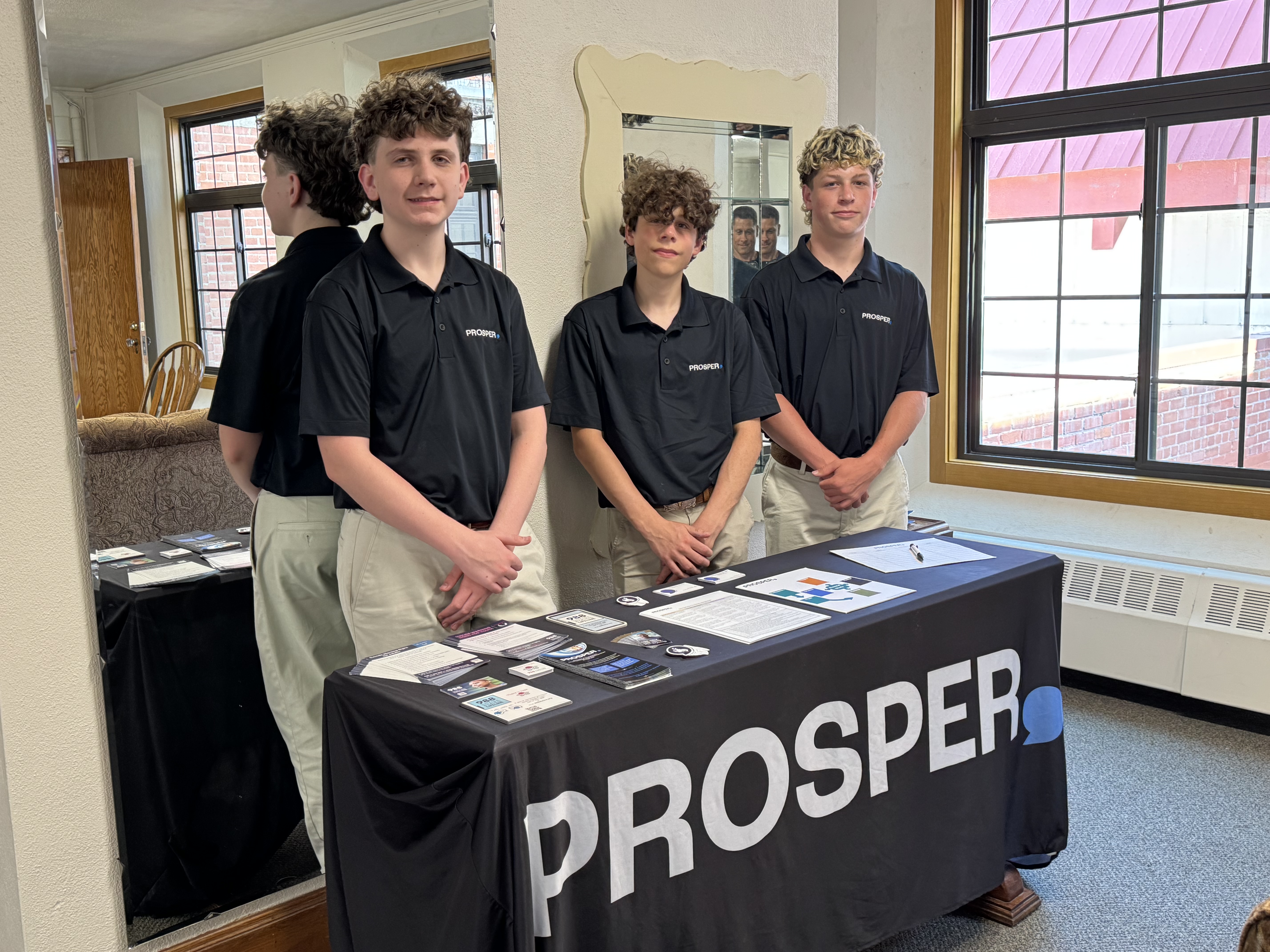
During my suicide prevention internship, I helped with a youth event in Casper, Wyoming, worked on research about hospitalization and suicidality, co-facilitated a PROSPER® suicide prevention webinar, and learned that one real conversation can matter more than people realize.
I am still learning, and that is the point of this page. I want to share what surprised me, what I am still thinking about, and what people my age can do right now.
In My Words
A Short Introduction
My research
Research Should Change What We Do
This internship helped me understand that research is not just a paper someone writes and files away. It can shape policy, improve programs, and change how communities respond to real people.
My research focus is Harms of Hospitalization in Suicidality. This work looks at how hospitalization can help, while also asking how systems should think carefully about trauma, coercion, trust, dignity, person-centered care, and long-term engagement.
How do we keep people safe while also protecting the connections that help them heal?
Questions I am still thinking about
When does hospitalization help most?
Understanding who benefits, when, and under what conditions can improve person-centered care.
How can crisis care preserve dignity?
Safety and respect should work together, not compete with one another.
What makes someone willing to seek help again?
Trust, choice, follow-up, and the quality of human connection all matter.
How do communities become part of prevention?
Families, friends, schools, teams, and workplaces can notice change early and help connect people to support.
How can research lead to better policy?
Good research should influence real decisions, programs, and standards of care.
Something Important I Learned
When Stress Comes Down, Possibility Comes Back
One idea that stayed with me is simple: when stress goes down, the human mind has room to think again.
When someone feels trapped, ashamed, scared, or alone, it can be hard to see any way forward. But when another person listens, stays calm, and makes them feel less alone, the pressure can start to come down. That does not solve everything, but it can create enough space for hope, problem-solving, and help.
I see happiness differently now. It is not pretending life is easy. It is feeling connected enough to keep going when life is hard. It is knowing someone would notice if you changed.
That kind of connection can change what a person believes is possible.
Safety Matters. Connection Still Matters.
Before my internship, I assumed a hospital was automatically the best place for anyone feeling suicidal.
Now I understand it can be more complicated. Hospitals can save lives, and sometimes they are necessary.
People also need trust, dignity, relationships, and support after the immediate crisis. A person is more than a risk level. They are part of a family, school, team, workplace, and community.
I have learned that I already have a role in my community. I do not need a degree or a title to make a difference. I can pay attention at school, on a team, with friends, and wherever I am.
One of the biggest things I learned is to notice changes. Maybe someone stops showing up, gets quieter than usual, or seems more angry, tired, disconnected, or hopeless.
Prevention can begin much earlier when the places where people live, learn, work, and belong know how to notice and respond with care.
“I noticed you have not seemed like yourself lately. Are you okay?”
How Change Starts
Select each step to see how an ordinary moment can become meaningful support.
People have a normal way they talk, show up, joke, practice, work, and connect. When that changes, it can signal that something is going on.
It is better to ask directly than to avoid the topic because it feels uncomfortable. A caring question can help someone feel less alone.
Support is not only one conversation. It is checking back in, following up, and making sure someone knows they still matter.
988, trusted adults, family members, coaches, teachers, counselors, and community resources can all be part of support.
Youth Mentoring and Community Engagement and Outreach
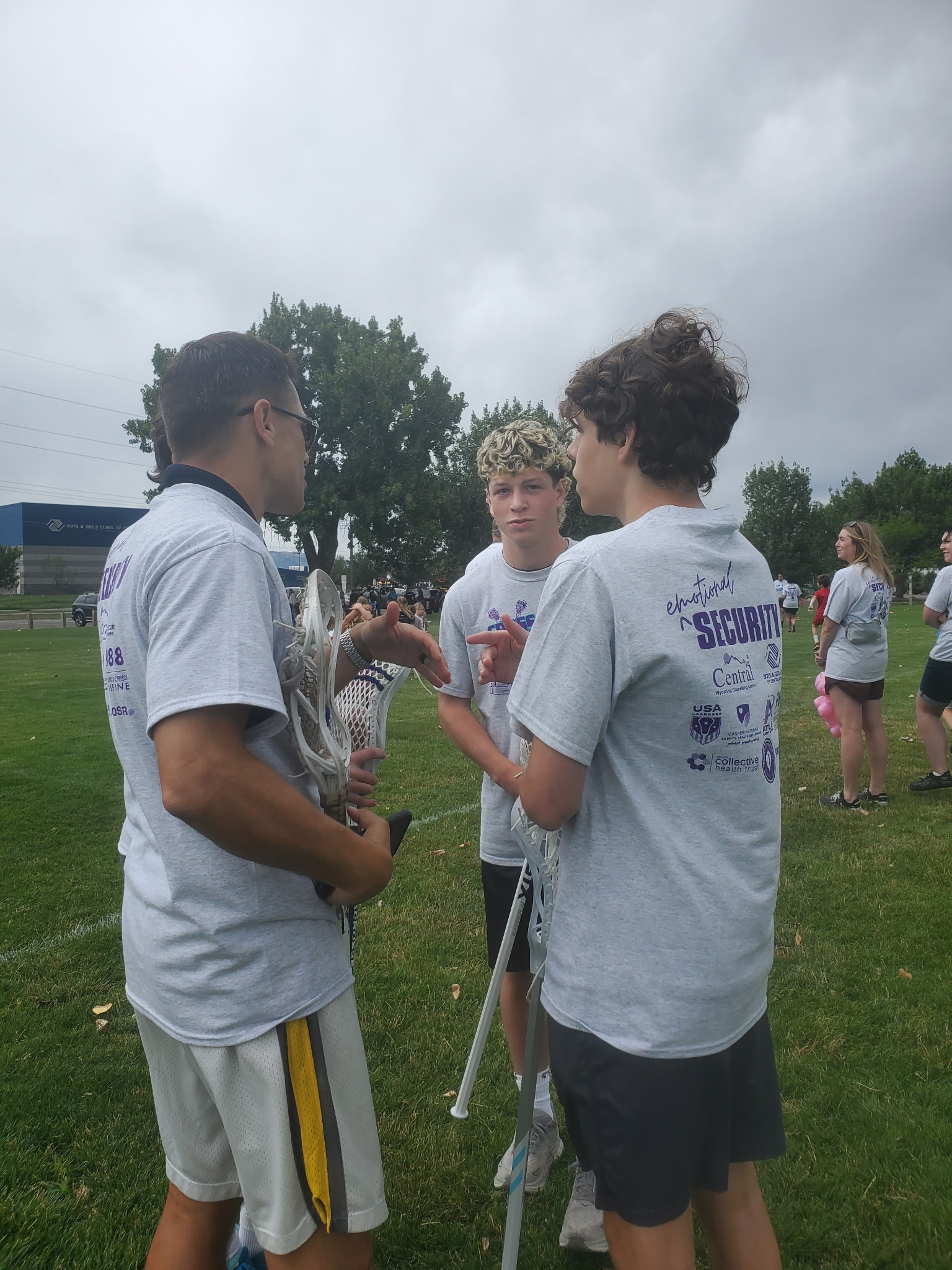
LaCROSSe Out Violence & Suicide: prevention where young people already belong.
Prevention Belongs in Everyday Life
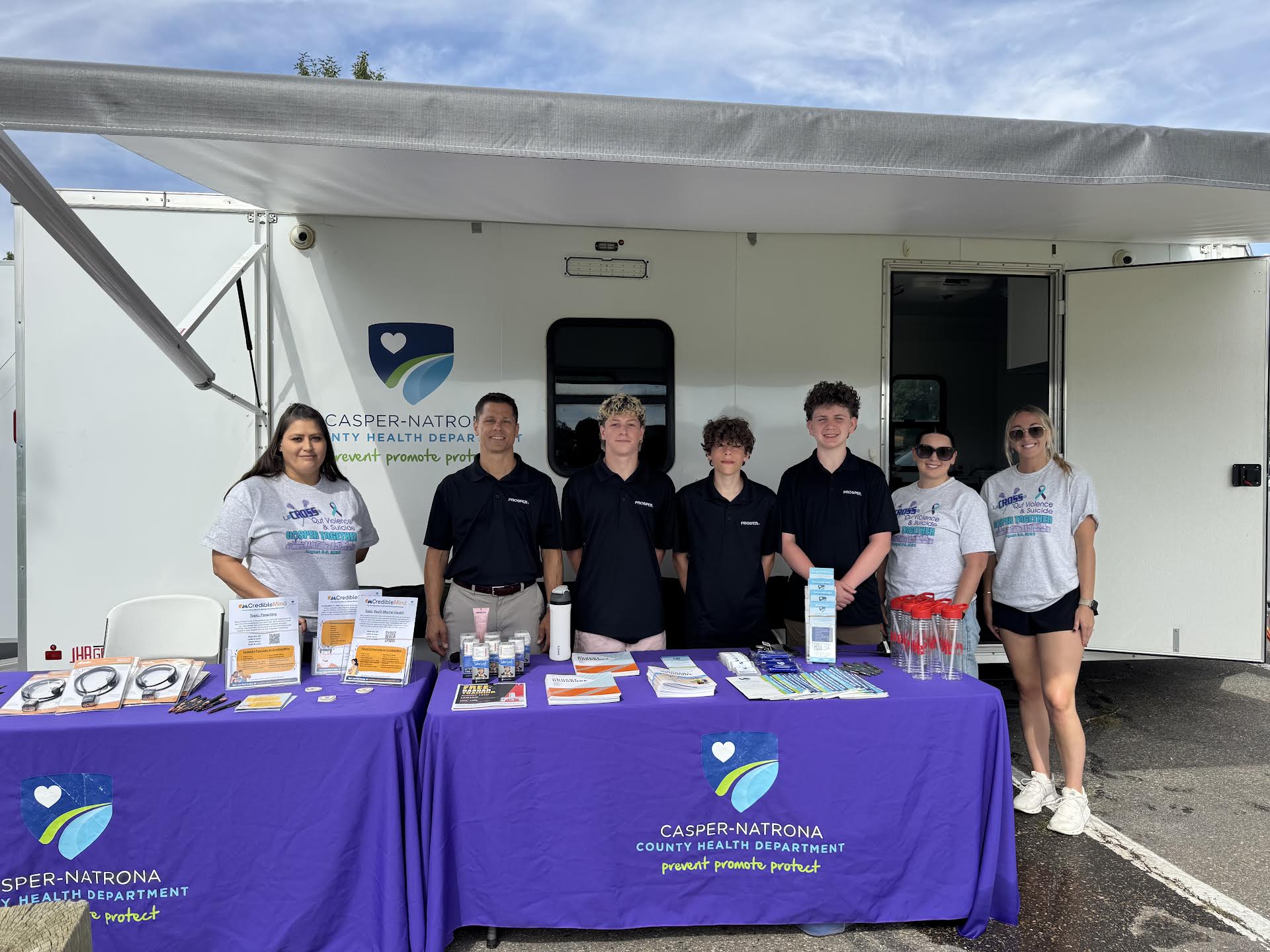
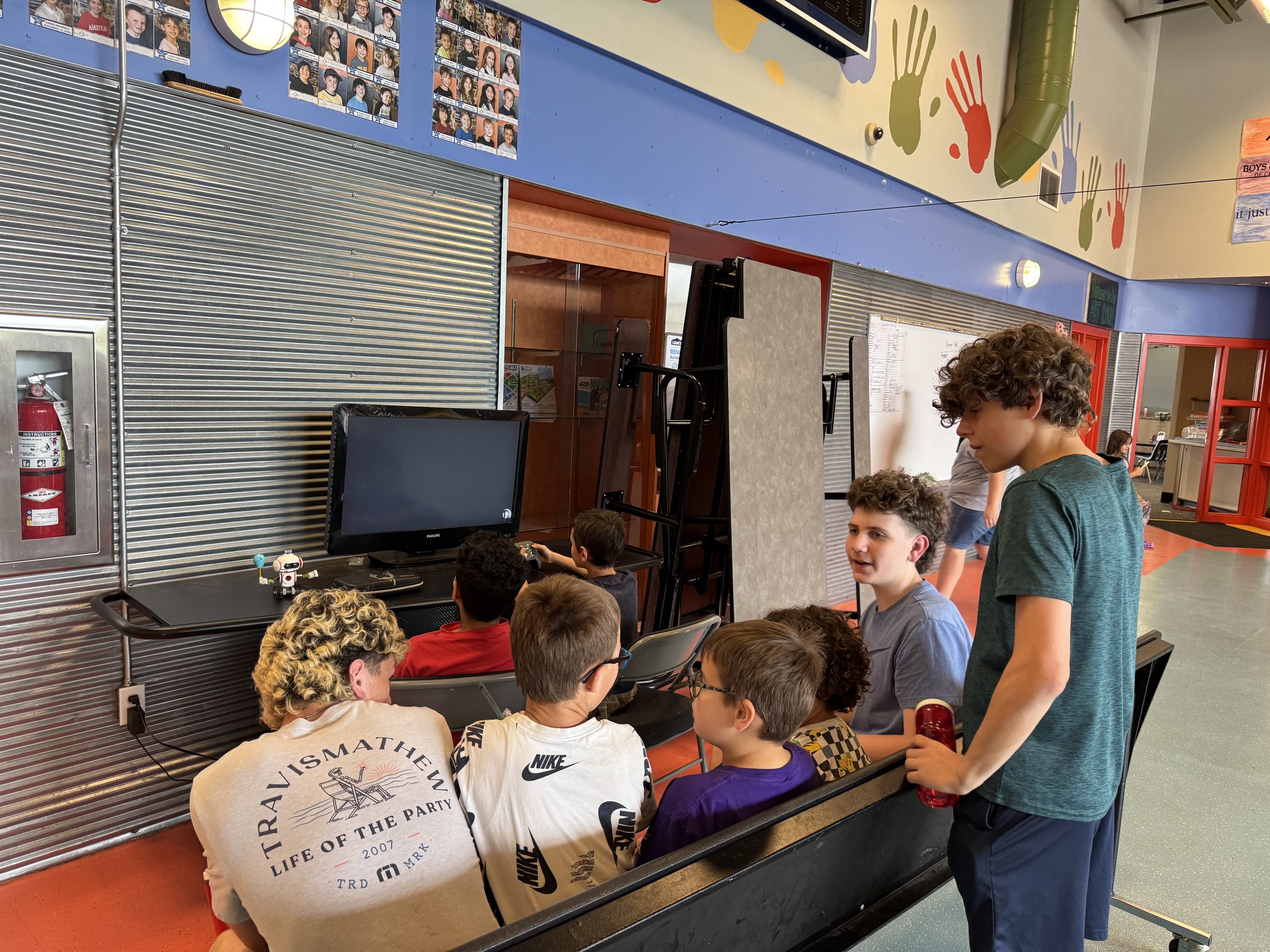
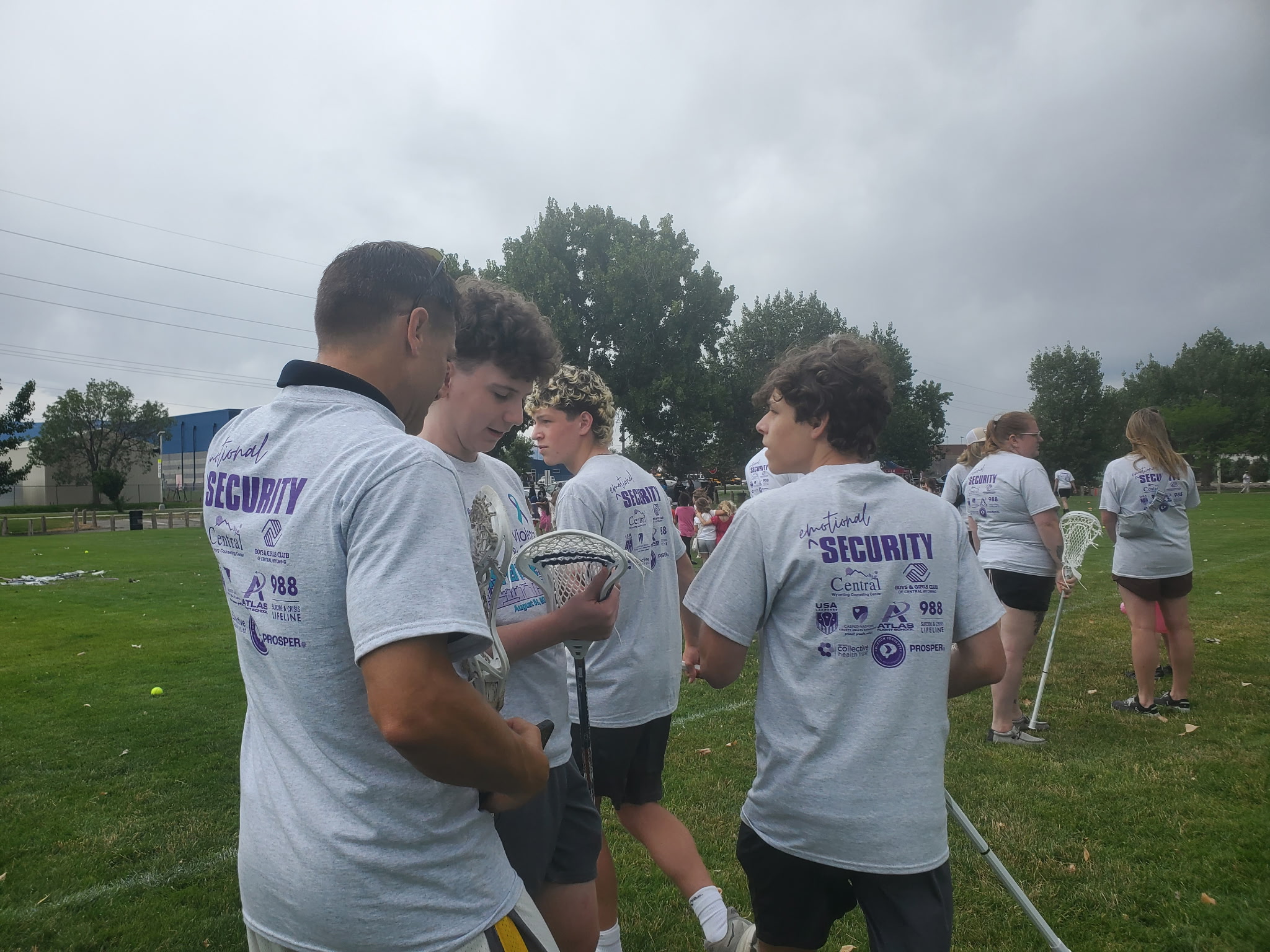
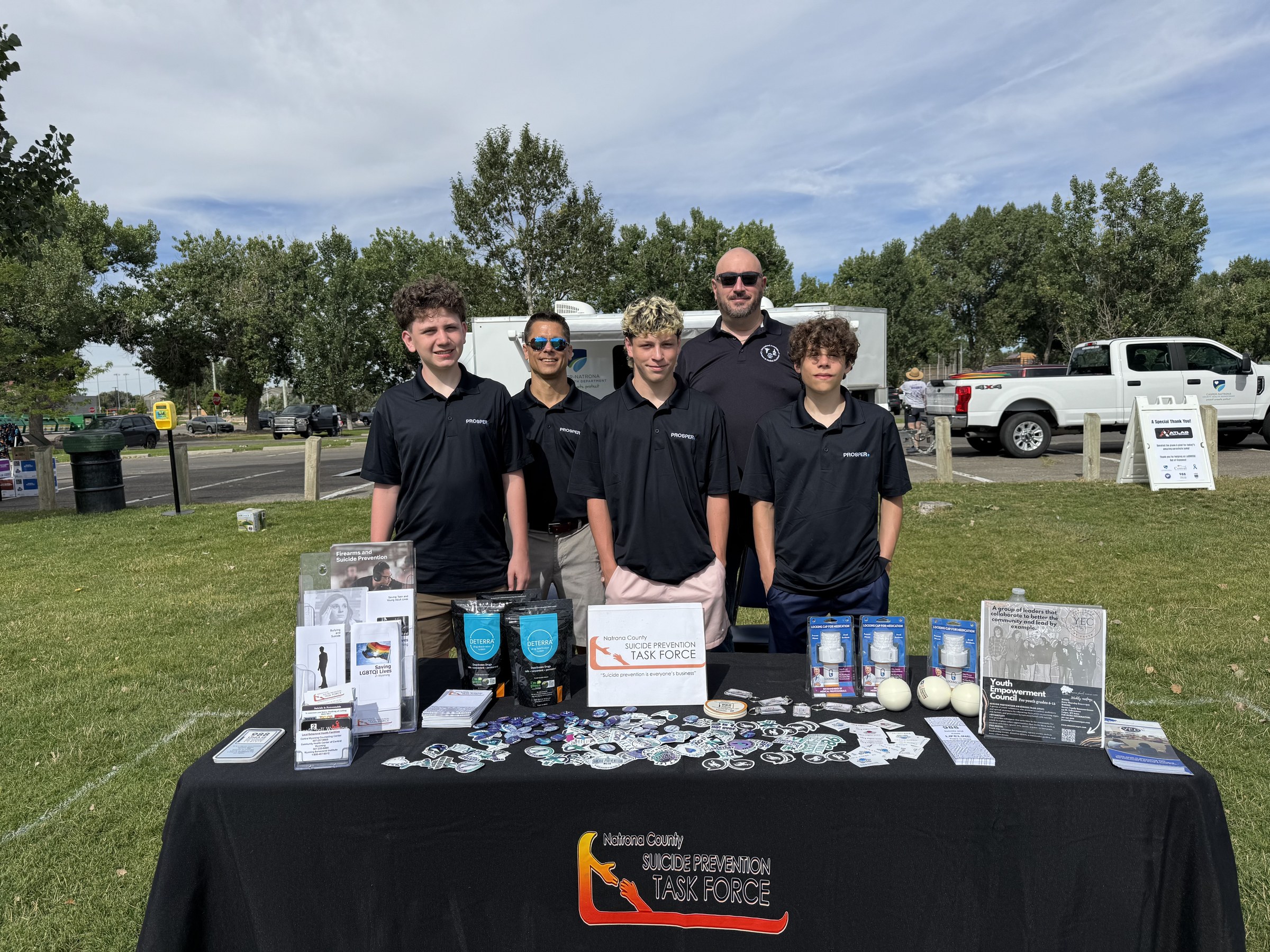
My first suicide prevention event took place in Casper, Wyoming, where I worked with the Boys & Girls Club and saw what prevention can look like outside a classroom or clinic.
The event brought together more than 250 young people for lacrosse clinics, a youth tournament, resource booths, and mental health education. It brought the conversation onto the field, around teammates, coaches, families, and community members.
As part of this work, I wrote to Senator Tim Kaine about youth mental health and suicide prevention. The response highlighted federal priorities connected to early intervention, peer support, behavioral health workforce development, suicide prevention funding, and expanding awareness of the 988 Lifeline.
The correspondence also pointed to current legislative efforts, including the EARLY Minds Act and the PEER Support Act, as examples of how mental health policy can focus on earlier support, lived experience, and access to care.
Official correspondence
Letter from Senator Tim Kaine
I received a response about youth mental health, suicide prevention, early intervention, peer support, and 988.
Community Outreach, Education and Training
Community-Based Suicide Prevention Activities
My internship included research, teaching, service, and direct involvement in community suicide prevention.
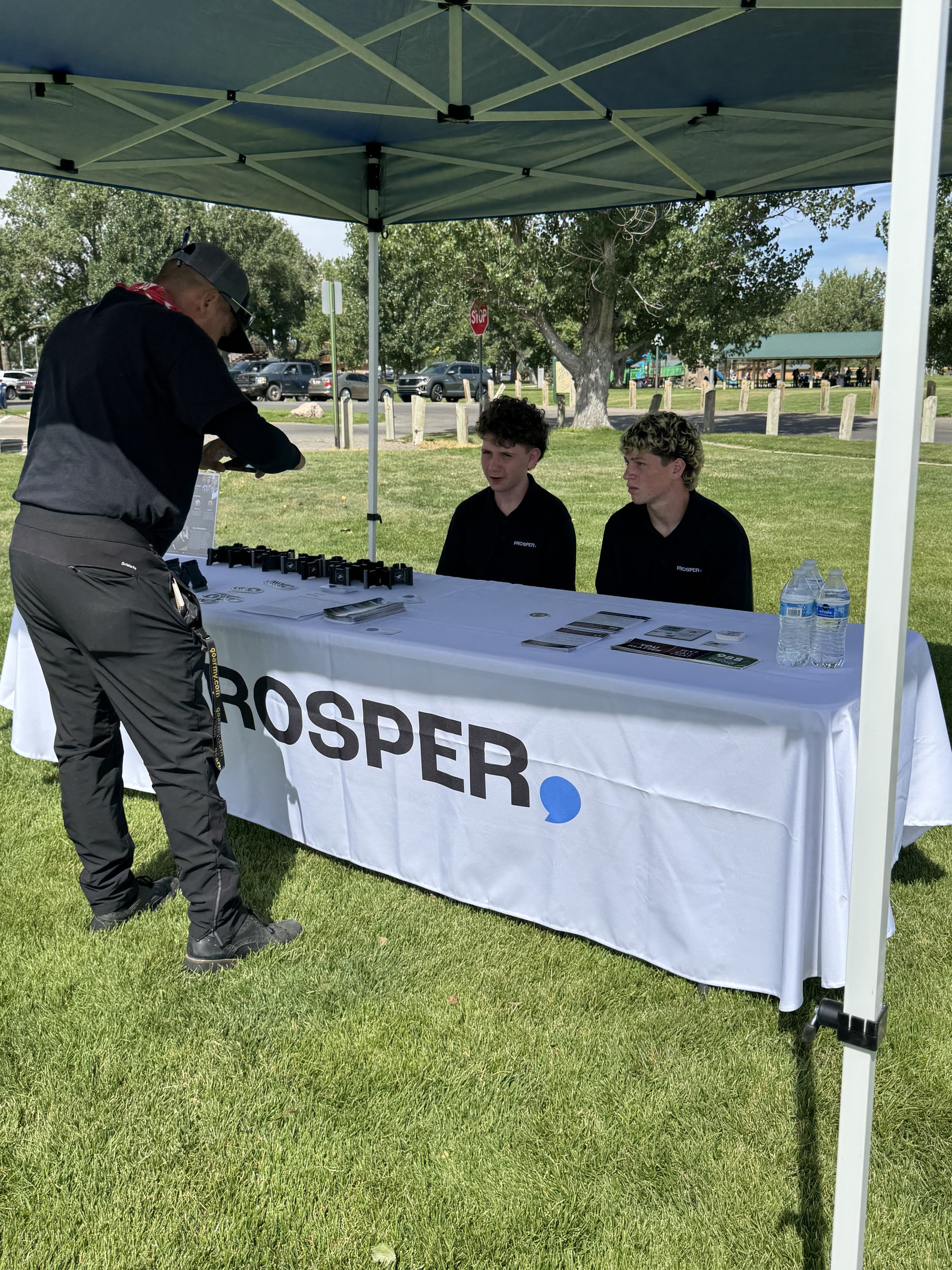
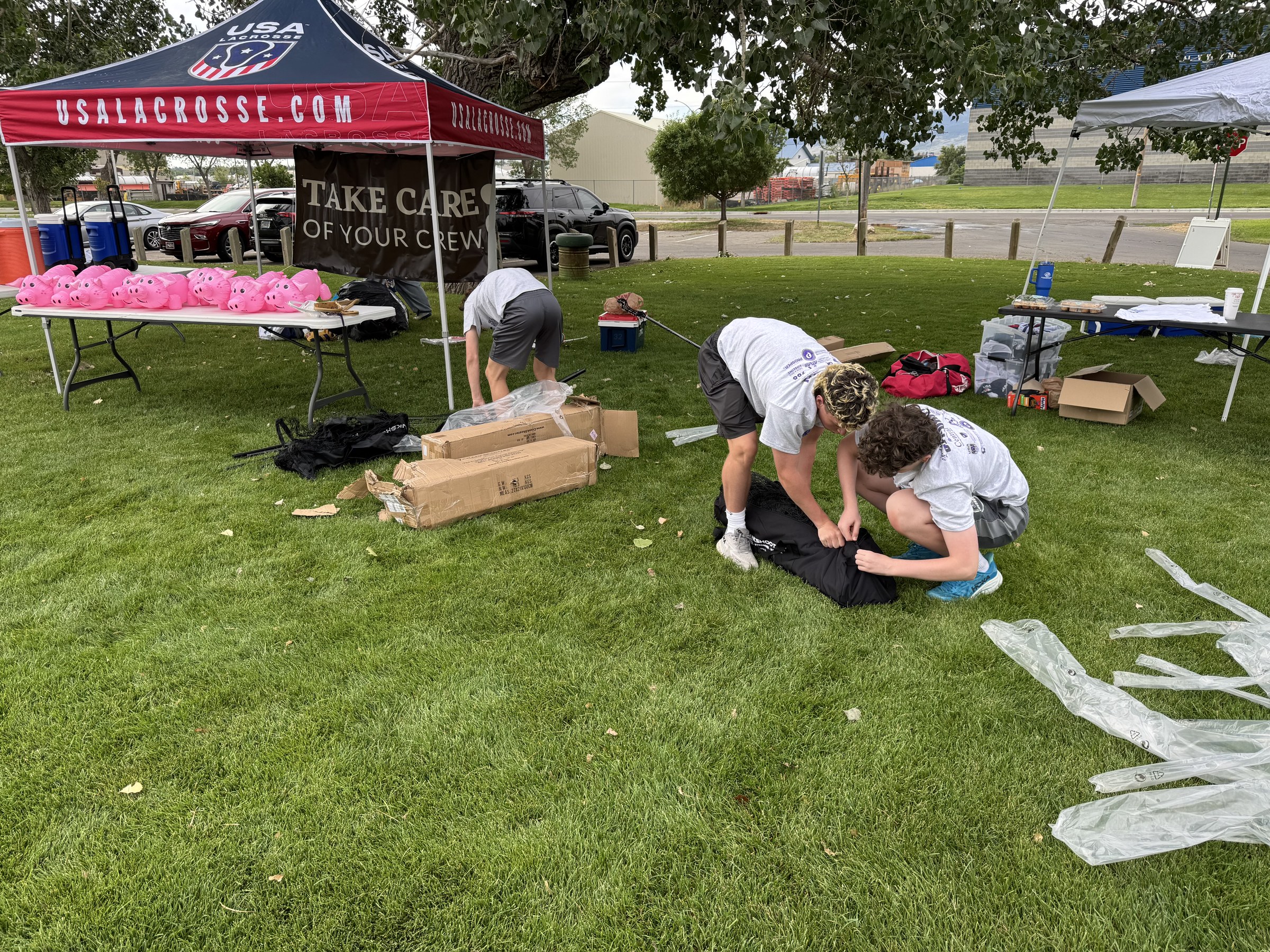
Mentoring Youths at the Boys and Girls Club of Central Wyoming.Learning how to deliver an elevator pitch at an outreach event.Dean and Aidan connecting with a community partner.Working together at the LaCROSSe Out Violence & Suicide community event.Helping the county coroner raise suicide awareness.Setting up for the LaCROSSe Out Violence and Suicide Event.Community Training and Engagement.1 / 7
988 Suicide & Crisis Lifeline
Need Help Today?
If you or someone you care about is struggling, free and confidential support is available 24 hours a day, every day of the year. Call, text, or chat 988 to connect with a trained counselor.