
“Talking about suicide puts the idea in someone’s mind.”
This belief can make people avoid the subject, change the words, or wait until someone else begins the conversation. I studied why that silence can become another barrier to support.
I am William Brewer. My internship focused on a question that stops many people from speaking up: Does talking about suicide put the idea in someone’s mind? The studies I reviewed point toward a clearer message. Careful, respectful conversations can reduce stigma and make it easier to connect with support.

Talk to one person today about suicide. Tell them it is okay to talk about suicide. Ask them to tell one other person that it is okay to talk about suicide. Extra credit: do this once a week.
My work examined a common fear about suicide prevention and followed the evidence into research writing, middle-school communication, community involvement, and public education.
This belief can make people avoid the subject, change the words, or wait until someone else begins the conversation. I studied why that silence can become another barrier to support.
The studies I reviewed support respectful language, listening without judgment, and a clear path to trusted adults or crisis resources. The goal is not to turn students into counselors. The goal is to help students recognize when someone may be struggling, respond with care, and connect that person with a trusted adult or crisis resource.
Each assignment moved the project forward. The work began with reading research and developed into evidence-based writing for school and public audiences.
Reviewed five initial studies, recorded their central findings, and built a Big Ideas summary focused on direct conversation, stigma, resilience, help-seeking, and being heard.
Considered how research could be explained clearly and responsibly for middle-school educators, young adolescents, and school communities.
Organized the opening of a research paper around three questions: Why does this topic matter? What does the research say? Why was the study needed?
Refined the research question, practiced cautious research language, considered the null hypothesis, and identified additional evidence needed to support the developing paper.
My internship work helped support a two-school research paper about middle school students' suicide-prevention readiness. The paper is currently being prepared for publication, and a public link will be added here as soon as it becomes available.
The evaluation included 162 students from two middle schools located in separate rural school districts in the Mountain West.
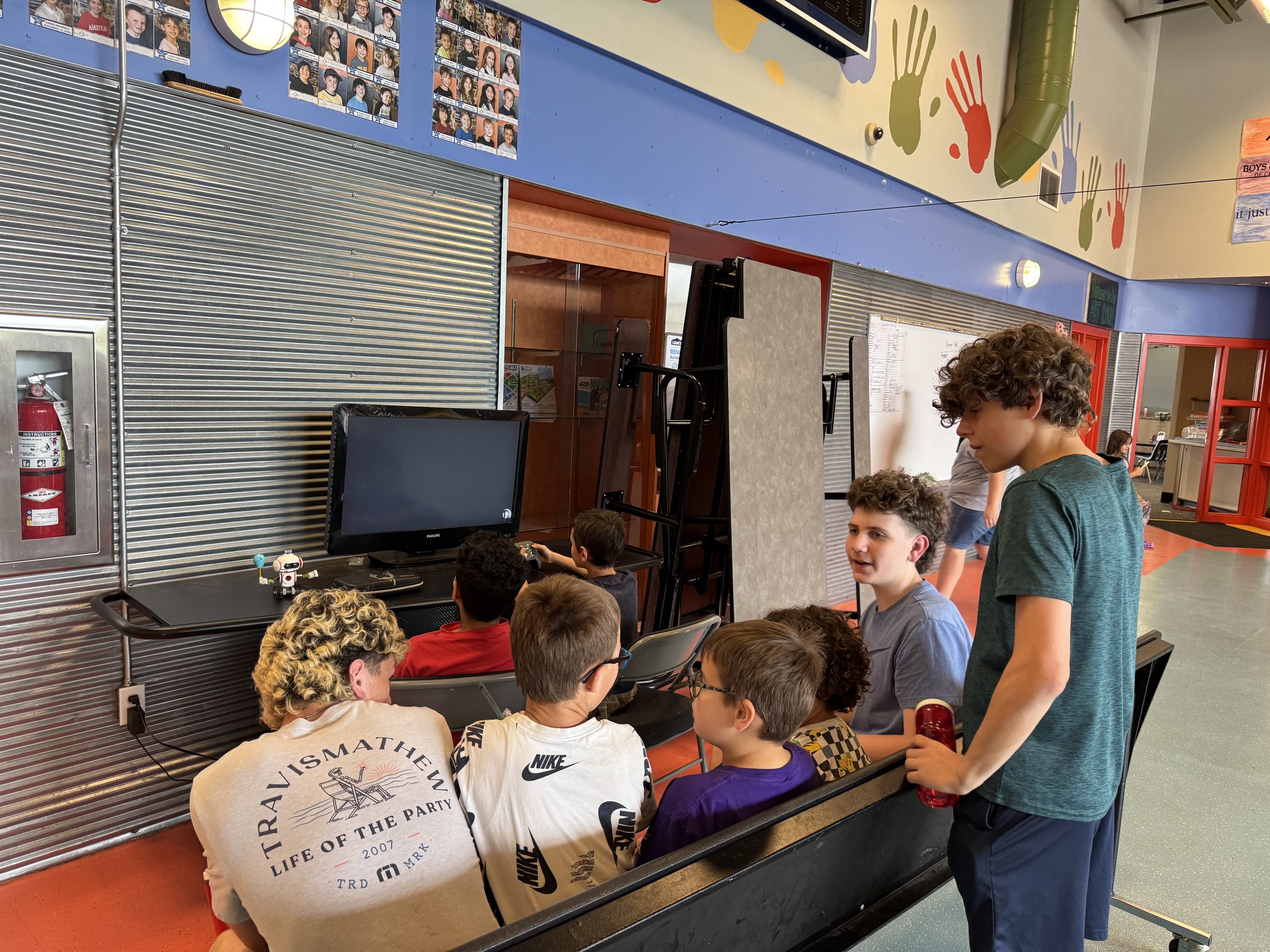
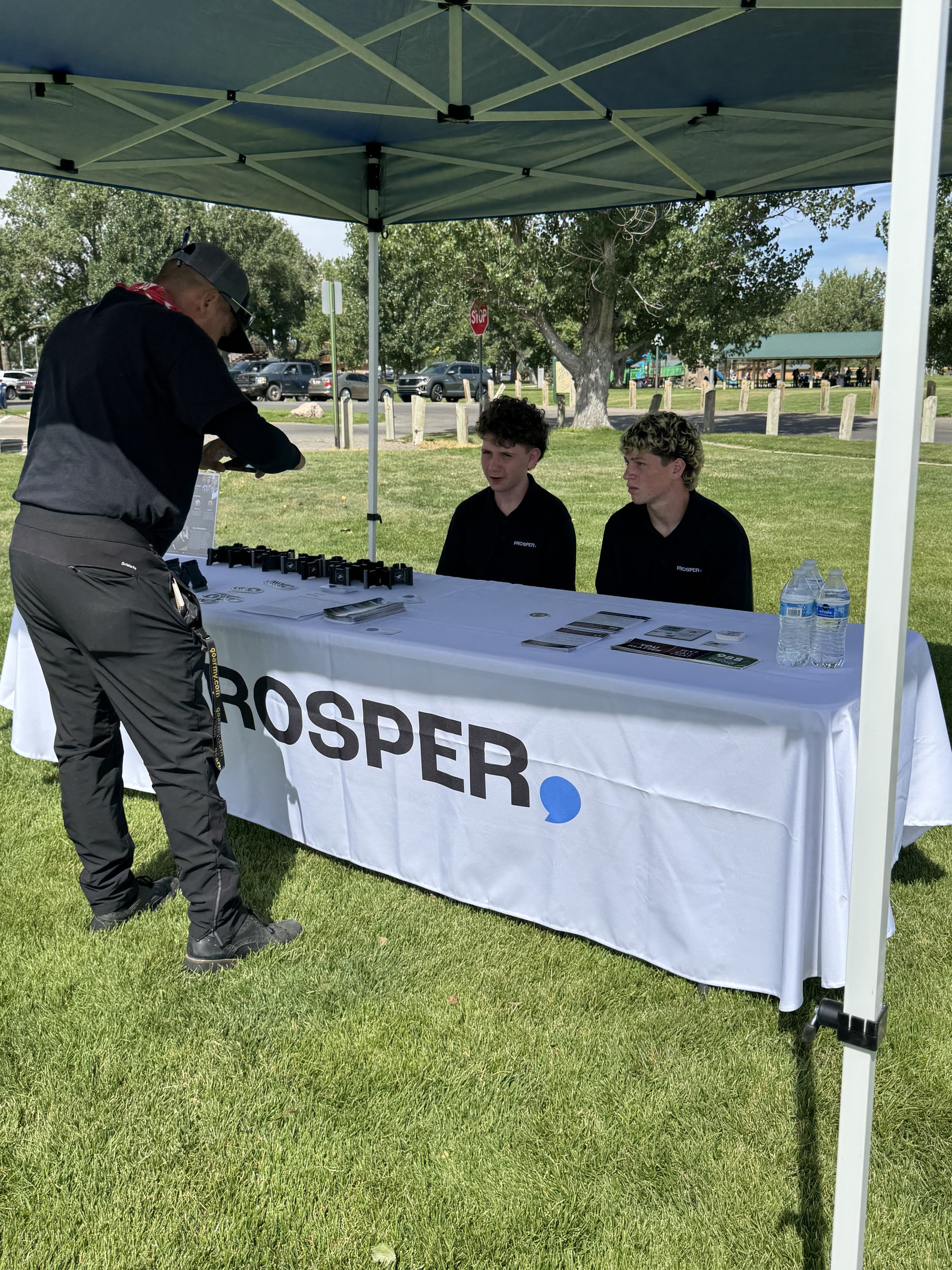
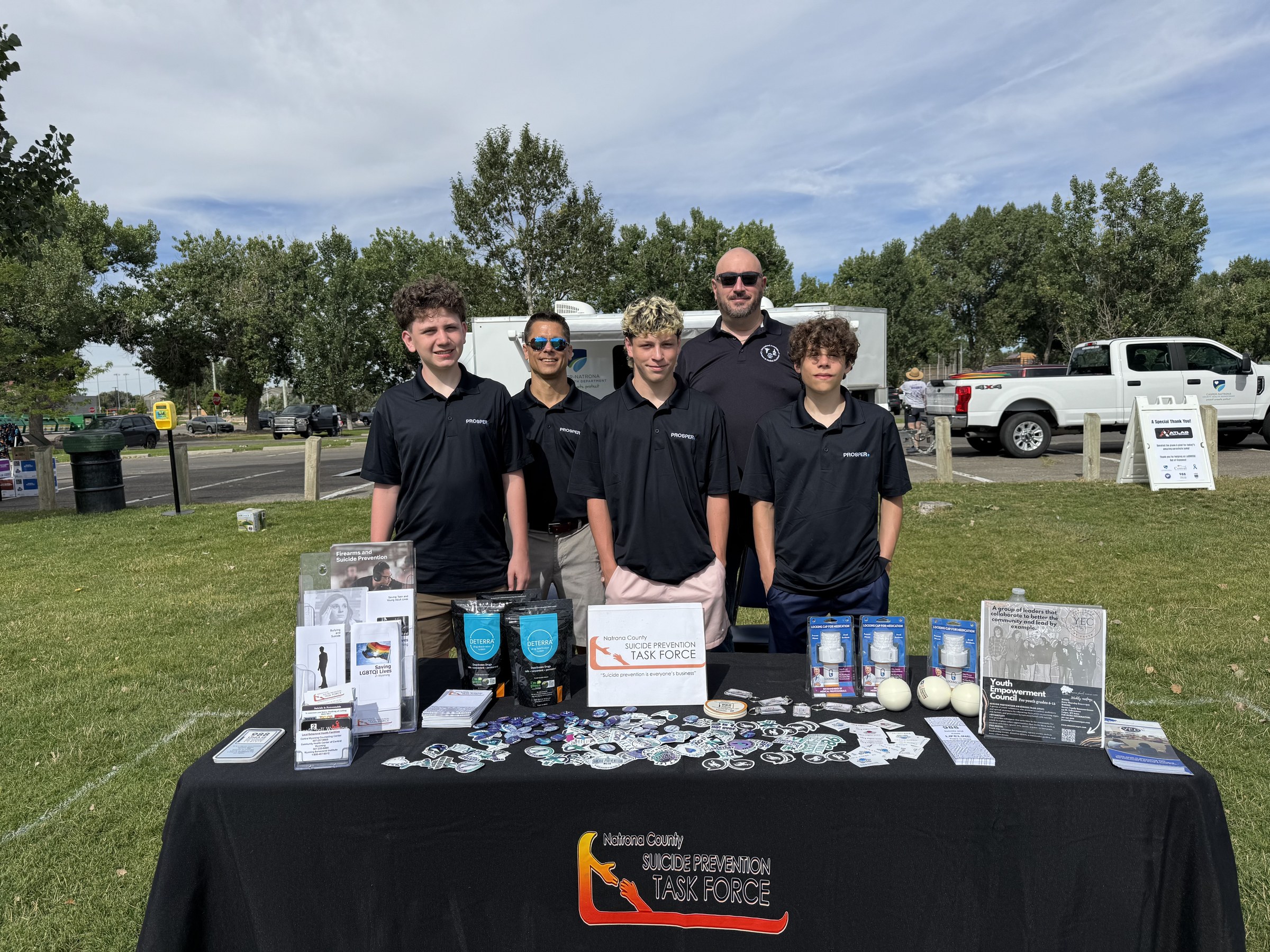
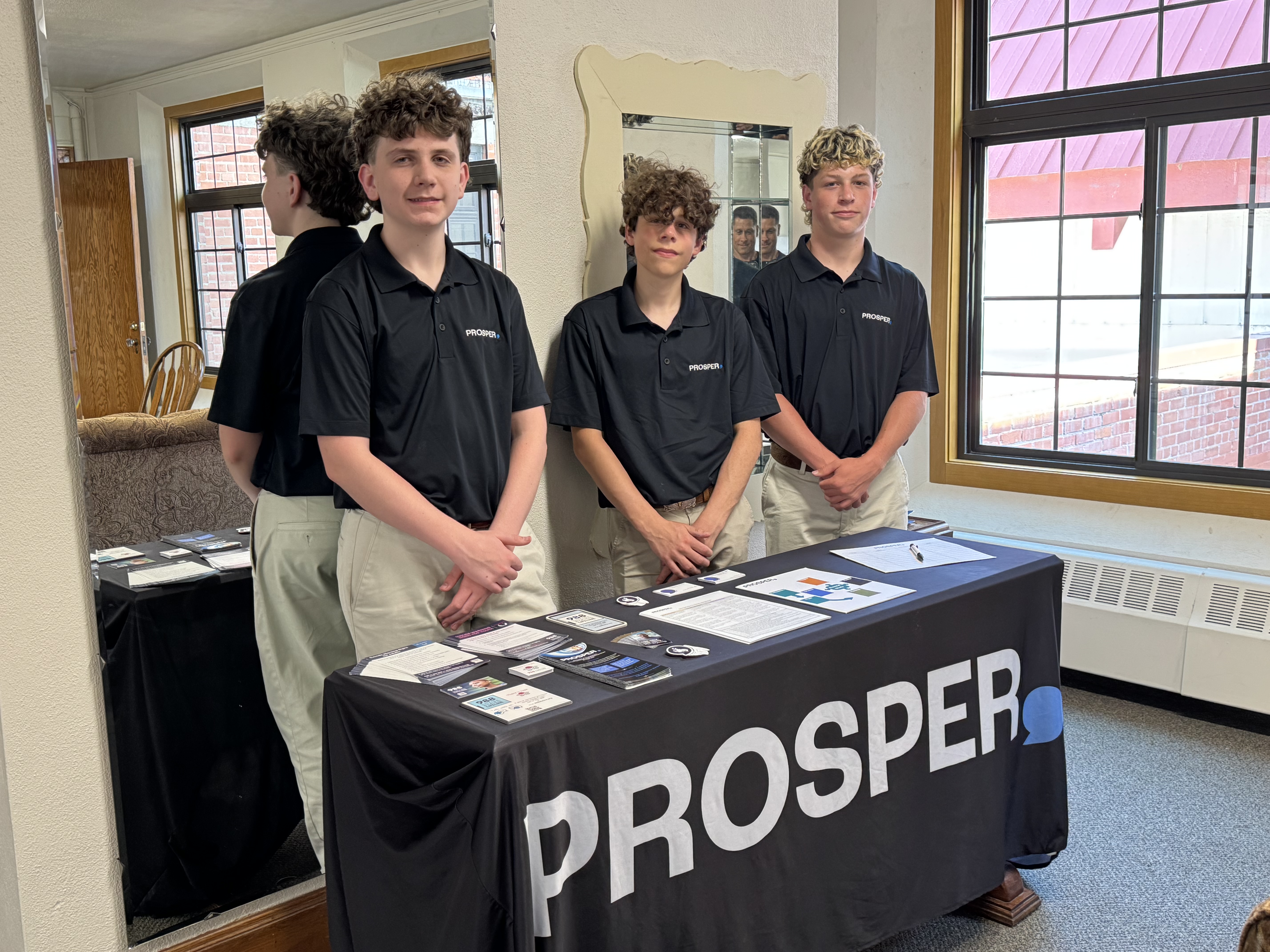
My internship included youth mentoring, community outreach and engagement, education, and hands-on suicide-prevention activities.

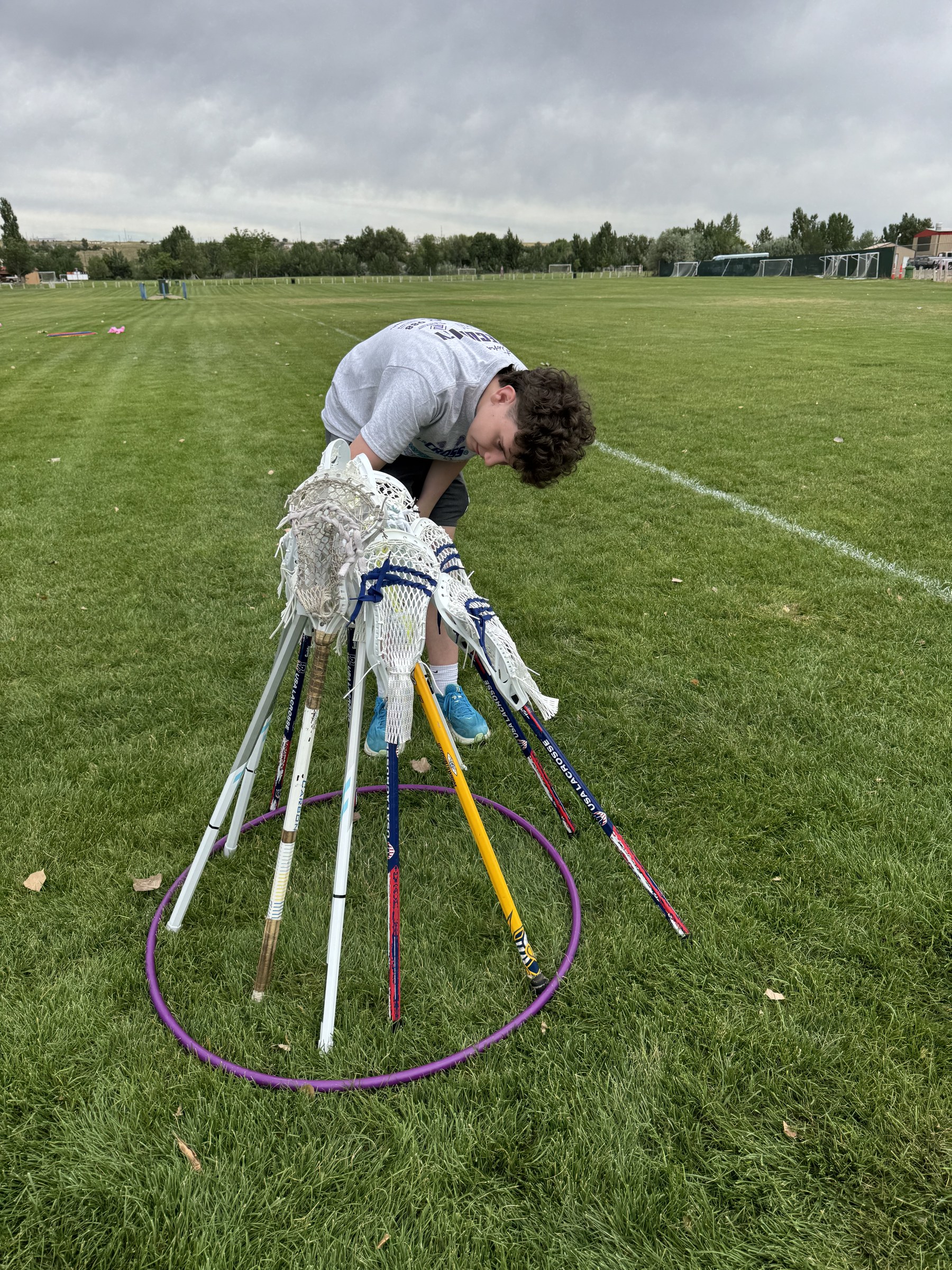
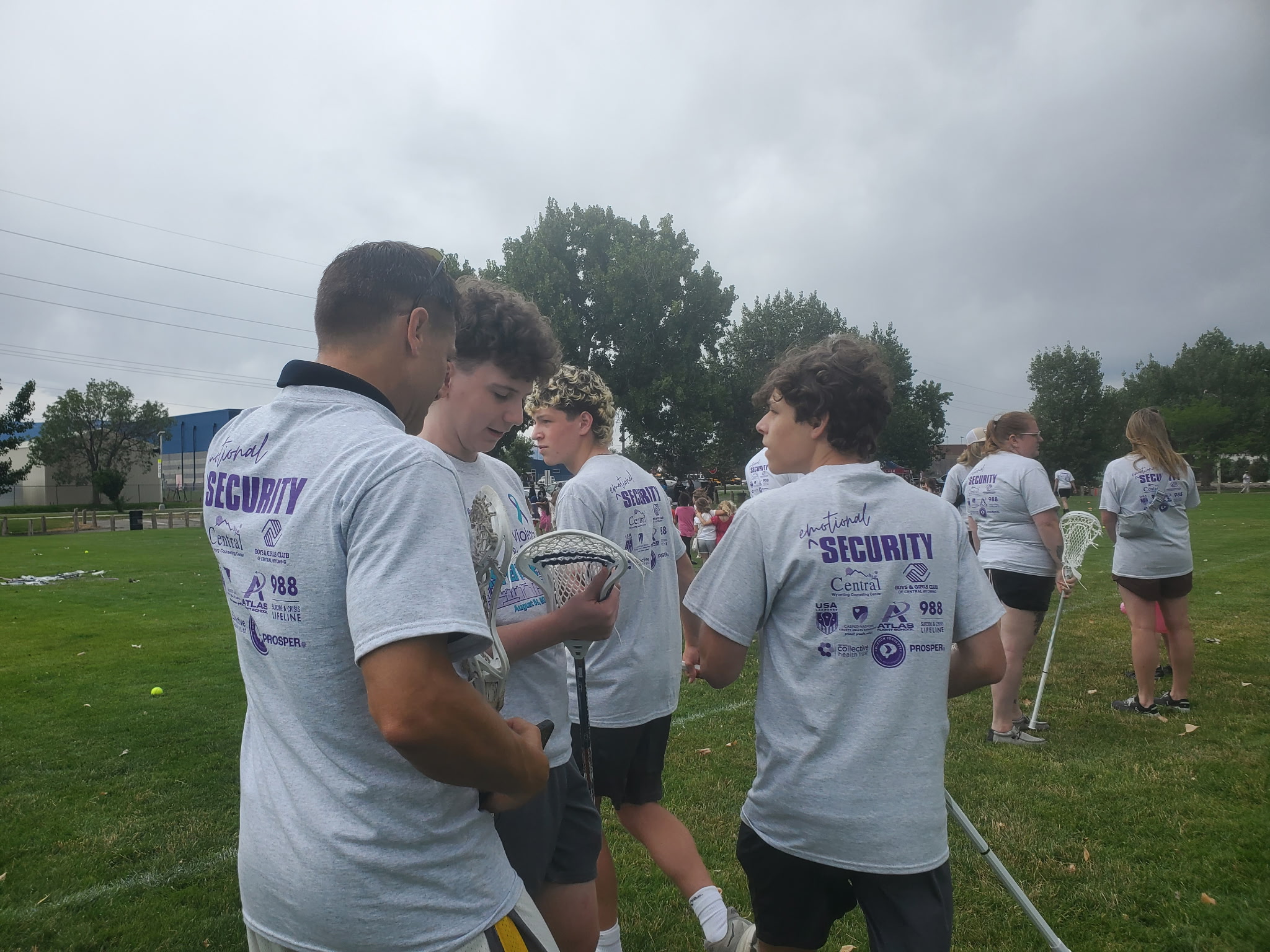
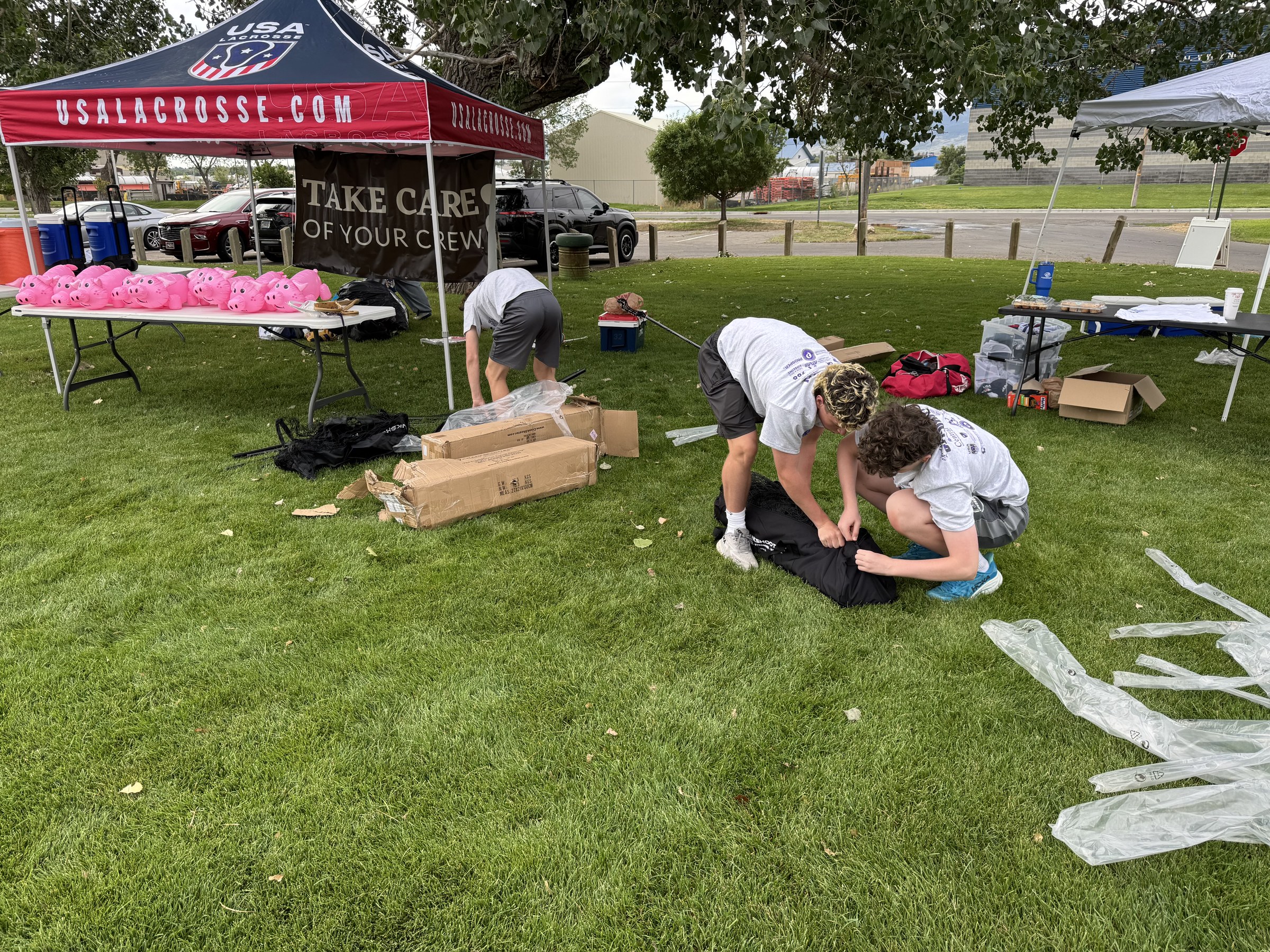
I was a key intern contributor to this youth-centered event, which brought together about 250 young people for lacrosse clinics, a youth tournament, movement-based mental-health learning, and community resources. The event connected physical activity with resilience, healthy relationships, stress management, stigma reduction, and clear messages that asking for help is a strength.
That experience showed me how research can move beyond a paper and become part of a public conversation that young people and families can actually use.
This is a small action, but small actions can make a difficult subject easier to discuss.
Tell them that it is okay to talk about suicide openly, carefully, and without judgment.
Help the message travel: it is okay to talk about suicide, and asking for support is a strength.
Complete the assignment once a week and keep the conversation going.
Use the form below to explain how you completed the assignment. I will review your response and send you your grade.
These national resources are available to people seeking crisis support, treatment information, education, or guidance for helping someone else.
Call or text 988 in the United States, or use the official Lifeline website.
Find confidential information and treatment referral resources.
Access mental-health information, resource guidance, and support options.
For an immediate life-threatening emergency, contact emergency services.
Community Outreach, Education and Training
My internship connected research and writing with hands-on community work. These photos show that work in action.

Get started today before this once in a lifetime opportunity expires.